How Weather Impacts Car Accident Claims in Colorado
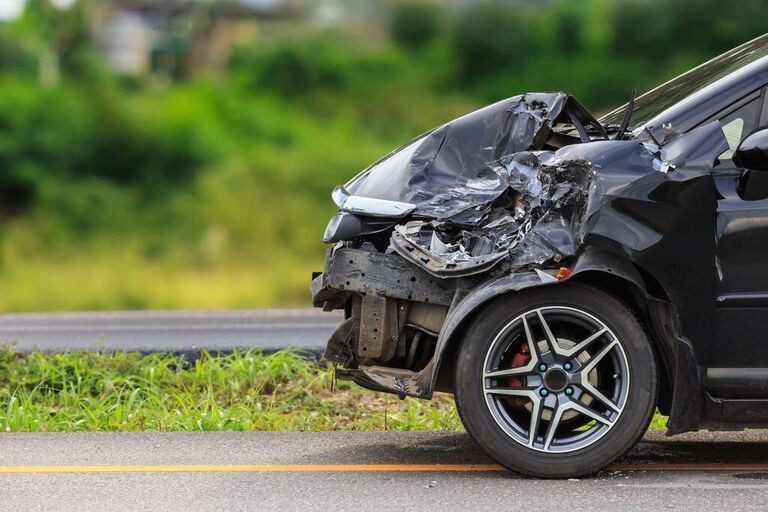
Colorado’s weather shifts quickly, and drivers often find themselves unprepared. Snow, ice, fog, and even wildfire smoke create dangerous road conditions that lead to serious collisions. When you’re injured in a crash, the weather may help explain how it happened, but it doesn’t erase a negligent driver’s responsibility to compensate for the weather.
Car accident claims in Colorado remain focused on whether drivers acted with reasonable care given the conditions.
How Colorado’s Weather Creates Dangerous Road Conditions
Every season brings risks that increase the chance of serious crashes. The law expects drivers to adapt, and when they don’t, they can be held accountable.
Snow and icy roads
Winter brings frequent snow and freezing temperatures. Black ice and snow-packed roads reduce traction, increasing stopping distances and causing spinouts. Colorado law requires drivers to maintain safe speeds and control of their vehicles, regardless of the weather.
Certain other laws, such as Colorado Chain Law (
C.R.S. § 42-4-106), require commercial motor vehicles traveling on I-70 between September and May to carry adequate tire chains or approved traction devices. Drivers who fail to follow this law may be found negligent if their truck causes an accident during icy conditions.
Failure to slow down on slippery winter roads can turn deadly in a flash on several of Colorado’s mountain roads, including the Million Dollar Highway (US 550), Trail Ridge Road (US 34 in Rocky Mountain National Park), and Berthoud Pass (US 40), which are all known for steep drops, narrow lanes, and severe weather like avalanches, whiteouts, and high winds.
Heavy rain and flooding

Rain reduces visibility and increases the risk of hydroplaning. Flash floods in mountain passes and along the Front Range often wash out roads or cause cars to stall in moving water. Drivers who speed or fail to increase following distance during storms can be liable for resulting injuries.
Fog and reduced visibility
Morning fog in the foothills and valleys creates sudden blind spots. Safe drivers slow down, use headlights, and maintain lane control. When a motorist continues at full speed or drifts across lanes in fog, that failure to adapt may support a claim of negligence.
Seasonal Hazards Unique to Colorado
Colorado’s climate also presents hazards beyond winter storms. Each one adds another layer of risk for drivers who don’t adjust.
Wildfire smoke
In late summer and fall, smoke from wildfires reduces visibility on highways and mountain roads. Thick haze also irritates eyes and airways, making it harder to focus. Aggressive or inattentive driving in smoky conditions often leads to preventable collisions.
Strong winds
High winds along the Front Range and mountain passes can push vehicles across lanes, particularly motorcycles and trucks. Drivers who don’t slow down or correct safely in gusty conditions may be held responsible for losing control.
Hail and sudden storms
Colorado ranks among the top states for hailstorms. Large hail forces drivers to brake suddenly or swerve, often triggering chain-reaction crashes. Motorists who follow too closely or fail to signal during sudden weather shifts may still be found negligent.
Types of Injuries in Weather-Related Accidents
Accidents tied to poor weather often result in serious harm. Victims may face long recoveries and costly medical care.
- Head and brain injuries: Spinouts and high-speed pileups can cause concussions or traumatic brain injuries (TBIs).
- Spinal injuries: Rear-end collisions in fog or icy conditions frequently lead to whiplash, herniated discs, or paralysis.
- Broken bones: Sudden impacts during multi-vehicle crashes often cause fractures requiring surgery.
- Internal injuries: Blunt force trauma from seatbelts, airbags, or vehicle impact may damage organs such as the liver, spleen, or kidneys.
- Soft tissue injuries: Sprains, strains, and torn ligaments often result from abrupt stops or side-impact crashes.
- Chest injuries: The force of a collision can cause rib fractures, collapsed lungs, or serious cardiac trauma.
- Facial injuries: Shattered glass, airbag deployment, or contact with the steering wheel may cause cuts, fractures, or dental damage.
- Psychological trauma: Weather-related crashes are frightening events, and victims may develop anxiety, depression, or post-traumatic stress.
Even moderate injuries can alter the course of someone’s life in an instant, which is why holding negligent drivers accountable is so important for both recovery and long-term security.
How Weather Affects Liability in Colorado

Weather may create dangerous conditions, but liability depends on driver behavior. Colorado law makes it clear that motorists must adjust their driving to the road.
Comparative negligence
Colorado follows a modified comparative negligence rule (
C.R.S. § 13-21-111), which allows you to recover compensation if you are less than 50% at fault. However, your compensation will be reduced by your percentage of fault. A skilled
car accident attorney can protect you from being unfairly blamed and help preserve your right to compensation.
Duty of care
Drivers are expected to reduce speed, increase following distance, and use traction devices when required. Failing to meet these obligations can be considered negligence.
Insurance disputes
Insurance companies often argue that weather—not the driver—caused the accident. Attorneys counter these claims with evidence such as traffic camera footage, witness testimony, and proof of traction law violations.
Key Takeaways
- Colorado’s changing weather creates risks year-round.
- Snow, ice, rain, fog, smoke, wind, and hail all increase the chance of serious crashes.
- Negligence, not weather itself, determines liability.
- Victims can recover damages for medical costs, lost wages, pain, and property damage.
- Colorado’s comparative negligence law allows recovery even if you share some fault.
- Insurance carriers may try to blame weather, but strong evidence can show driver error.
- The attorneys at Sloat, Nicholson & Hoover, PC fight for victims injured in weather-related accidents.
FAQs About Weather and Colorado Car Accidents
Does Colorado require snow tires or chains?
In certain areas. During winter months, the Colorado Traction Law (C.R.S. § 42-4-106) requires passenger vehicles traveling on I-70 between Dotsero (Milepost 133) and Morrison/Red Rocks Park and Amphitheatre (Milepost 259) to have snow tires, chains, or other approved traction between September 1 and May 31 at all times.
The Colorado Department of Transportation (CDOT) may activate traction or chain laws on other roads as needed. If another driver ignores these requirements and causes a crash, their violation may support your claim for compensation.
What if fog or smoke reduced my visibility?
Drivers are legally obligated to slow down and use headlights when visibility is reduced. Continuing at highway speeds in dense fog or wildfire smoke puts others at risk. If you were hit by someone who failed to take these precautions, that driver can still be held responsible despite the weather conditions.
Can weather delay my claim?
It can. Insurance companies often argue that a storm or natural condition was the true cause of the accident. This means they may investigate more aggressively, which can drag out the process. Having an attorney involved early helps counter those arguments and keeps your case moving forward.
What if multiple cars crash during a storm?
Pileups on icy or hail-covered roads are unfortunately common in Colorado. While several drivers may share some fault, you can still pursue compensation as long as you are less than 50% responsible. An attorney can sort through accident reports and evidence to ensure liability is fairly assigned.
How much does it cost to hire a lawyer?
At firms such as Sloat, Nicholson & Hoover, PC, you pay nothing up front. The consultation is free, and the fee is contingency-based, so your legal team is paid only if they recover compensation for you.
Contact Sloat, Nicholson & Hoover, PC

Colorado’s dynamic weather patterns make driving challenging in certain areas and times of the year, but unsafe drivers are still responsible for the harm they cause. If you’ve been injured in a crash during snow, rain, fog, or any other hazardous condition, you deserve a legal team that understands the law and the realities of Colorado roads.
At Sloat, Nicholson & Hoover, PC, our attorneys bring more than 100 years of combined experience to every case. We have recovered over $230 million for clients and are proud to be recognized for our ethics and results. Our team limits caseloads so we can give each client the attention they deserve.
Call 303-447-1144 today or visit
www.sloatlaw.com to schedule your free consultation. Let our team handle the legal fight while you focus on recovery.