Key Takeaways: Colorado Ski Accidents
- Collisions, faulty equipment, and unsafe conditions often lead to ski accidents in Colorado.
- Colorado’s Ski Safety Act outlines rights, responsibilities, and limits on liability.
- Ski resorts, instructors, other skiers, and equipment makers may share fault.
- Injuries range from broken bones to traumatic brain injuries and require strong documentation.
- Comparative negligence rules influence how much compensation you can pursue.
What Are the Common Causes of Ski Accidents in Colorado?
 Colorado’s mountains attract skiers from around the world, and the busy slopes create many situations where accidents occur. Several types of events tend to cause most ski injuries.
Collisions With Other Skiers or Snowboarders
Crowded slopes raise the chances of two people running into each other. When another skier moves too fast, ignores right of way, or fails to stay in control, serious harm can result. These collisions often cause fractures, head injuries, or ligament tears.Equipment Failure or Malfunction
Bindings, boots, skis, and snowboards should work as intended. When equipment breaks or fails during use, the person using it can suffer serious injuries. Poor maintenance or manufacturing defects often play a role.Dangerous Trail Conditions
Ice patches, hidden hazards, and unmarked obstacles increase the risk of falls. Ski resorts must maintain trails and remove hazards when possible. When a trail is left in a dangerous state without warnings, a skier can lose control and crash.Ski Lift Accidents
Problems with loading, unloading, or mechanical issues sometimes lead to falls. A misaligned chair or sudden stop can cause serious harm, especially for children and inexperienced riders.Inadequate Safety Signage or Warnings
Skiers depend on clear signs to avoid hazards. Missing or unclear signage sometimes contributes to accidents that would otherwise be preventable.Understanding Colorado’s Ski Safety Act
Colorado’s Ski Safety Act shapes many ski accident cases. This law outlines what ski resorts must do to keep guests reasonably safe, while also identifying risks that come with skiing.What Does the Colorado Ski Safety Act Cover?
The Act explains the duties of resorts and skiers. It also describes situations where a resort holds responsibility for unsafe conditions. Here are several important legal terms explained in plain language:- Inherent risks: These are conditions that naturally come with skiing, such as weather changes or variations in snow. Resorts usually aren’t responsible for these.
- Negligence: This means someone did not use reasonable care. For example, a resort might ignore a known safety hazard.
- Immunity: This shields a resort from certain lawsuits related to inherent risks. It does not protect them when they act carelessly.
- Trail maintenance: Resorts must keep trails in a reasonably safe condition. Failure to do so may lead to liability.
Inherent Risks vs. Negligence Under Colorado Law
Skiing includes natural risks. However, negligence occurs when a resort or another party fails to meet basic safety duties. If a resort ignores broken equipment, fails to mark hazards, or leaves a lift in unsafe condition, the law may allow an injured skier to file a claim.Exceptions to Immunity for Ski Resorts
Immunity does not protect resorts when they act carelessly. Poor lift maintenance, missing signs, or unaddressed hazards often create exceptions that allow injured skiers to move forward with claims.Who Can Be Held Liable for a Ski Accident in Colorado?
Many people and companies contribute to safe skiing conditions. When someone fails to act responsibly, liability may fall on them. Several groups may play a role in a ski crash.Ski Resort Operators
Resorts control the trails, equipment, and lifts. When a resort fails to maintain safe conditions or ignores known dangers, it may be legally responsible for the harm that follows.Ski Instructors and Guides
Instructors must give clear guidance and keep students on safe terrain. Poor supervision or risky decisions may create liability.Other Skiers and Snowboarders
A skier who moves too fast in crowded areas or ignores right of way may be held responsible for any harm caused.Equipment Manufacturers and Rental Companies
Makers and rental shops must provide equipment that works properly. When defective or poorly maintained equipment leads to injuries, these companies may share fault.Ski Lift Operators
Lift operators must follow safety procedures. Mistakes during loading, unloading, or operation sometimes contribute to accidents.What Types of Injuries Occur in Ski Accidents?
Ski accidents often result in significant injuries. These injuries sometimes require long recovery times and extensive medical care.Fractures and Broken Bones
Falls often cause broken wrists, arms, legs, and ribs. These injuries may require surgery or physical therapy.Head Injuries and Traumatic Brain Injuries
A collision or fall may cause head trauma. Even with a helmet, a skier may suffer a concussion or more serious traumatic brain injury.Spinal Cord Injuries
High speed crashes or hard impacts sometimes injure the spine. These injuries may lead to long term mobility issues and require ongoing care.Knee and Ligament Damage
Knee injuries such as torn ACL or MCL ligaments occur often in skiing due to twisting motions during falls or collisions.Frostbite and Hypothermia
Cold temperatures sometimes affect skiers who remain injured on the mountain for extended periods. Frostbite and hypothermia occur when skin or internal temperature drops too low.How Does Colorado’s Comparative Negligence Law Affect My Claim?
Colorado follows comparative negligence rules that influence how ski accident claims progress. These rules help determine how much compensation a person may pursue based on their share of fault.What Is Modified Comparative Negligence?
Modified comparative negligence means the court looks at how much each person contributed to the accident. This percentage affects the final compensation amount. Here is a simple explanation:- If you hold some fault but less than half, you may still pursue compensation.
- If your fault reaches half or more, you generally can’t recover compensation.
- The amount you pursue is reduced by the percentage of fault assigned to you.
The 50% Bar Rule in Colorado
Colorado prevents someone from recovering compensation if they hold half or more of the blame. This rule encourages thorough investigation and strong evidence collection.How Fault Allocation Impacts Your Compensation
If you share some responsibility, the amount you pursue is reduced by your percentage of fault. For example, if you hold 20 percent of the fault, the amount you pursue is reduced by 20 percent.What Compensation Can I Recover After a Ski Accident?
 Ski accidents often create many financial and personal losses. You may pursue compensation for several types of damages.
Medical Expenses and Rehabilitation Costs
Medical treatment plays a major role after a ski accident. This includes emergency care, surgery, hospital stays, doctor visits, rehab, medication, and assistive devices.Lost Wages and Loss of Earning Capacity
If injuries keep you from working, lost income becomes a major concern. Some people also face reduced ability to work in the future, which affects long term earnings.Pain and Suffering
Pain and suffering refers to the physical discomfort and emotional strain that follows a serious injury. Documentation strengthens these claims.Property Damage
Damage to ski gear, helmets, or other belongings may be included in your claim.What Is the Statute of Limitations for Ski Accident Claims in Colorado?
Colorado generally gives injured people two years from the date of the accident to file a claim related to a ski accident. Missing the deadline prevents you from pursuing your case in court.Exceptions That May Extend or Shorten Deadlines
Some factors change the timeline. Claims involving minors, hidden injuries, or government entities sometimes follow different rules.Why You Must Act Promptly
Acting soon preserves evidence and helps your attorney gather accurate information. Prompt action also prevents missed deadlines that could affect your rights.How to Prove Negligence in a Colorado Ski Accident Case
Proving negligence requires strong evidence. Clear information helps show who caused the accident and why. An attorney can assist with:Gathering Evidence at the Accident Scene
Photos and videos of the trail, conditions, and injuries offer valuable insight. Evidence collected early often makes a difference.Obtaining Witness Statements
Witnesses help explain what happened. Their statements support your version of events and help fill in missing details.Securing Incident Reports and Video Footage
Ski patrol records, lift incident reports, and surveillance footage help strengthen your case. These materials show conditions and actions leading to the accident.Expert Testimony and Accident Reconstruction
Some cases need experts who explain how equipment malfunctioned or how a collision occurred. Accident reconstruction uses physics and evidence to show what caused the crash.What Should I Do Immediately After a Ski Accident?
Your actions in the hours after a ski accident often shape your claim. Several steps help protect your health and your case.Seek Medical Attention
A medical exam identifies injuries and begins your treatment. Prompt care also creates documentation that links your injuries to the accident.Report the Incident to Ski Patrol
Ski patrol logs events and creates official records. These reports become useful evidence.Document the Scene and Your Injuries
Photos and videos help show what happened. Take pictures of trail conditions, gear damage, and visible injuries if you’re able.Preserve Evidence
Keep damaged equipment, clothing, and gear. These items sometimes reveal how the accident occurred.Contact a Colorado Ski Accident Attorney
Legal support helps you understand your options and take the next step. An attorney will evaluate your case and explain your rights.How Our Attorneys Can Help
 Sloat, Nicholson and Hoover, PC supports clients through every stage of a ski accident claim. Our team uses careful investigation and thorough case preparation to strengthen your position.
Investigating Your Ski Accident
We review trail conditions, ski patrol reports, equipment issues, and witness accounts. A complete investigation helps us understand what led to the accident.Determining All Liable Parties
Accidents sometimes involve several responsible parties. We identify anyone who may have contributed to your injuries.Navigating Colorado’s Ski Safety Act
Our attorneys study the Ski Safety Act to determine how it applies to your case. Understanding this law helps us identify exceptions to immunity and other key factors.Calculating the Full Value of Your Claim
We review medical bills, missed work time, long term care needs, and personal losses. A thorough review allows us to pursue appropriate compensation.Negotiating With Insurance Companies
Insurance companies sometimes offer low settlements or place blame on the injured person. We handle communication and negotiation so you can focus on recovery.Litigating Your Case if Necessary
When the other side refuses to act reasonably, we’re prepared to take your case to court. Our team builds a strong argument and presents your case with clarity and professionalism.Frequently Asked Questions About Ski Accident Claims in CO
Can I sue a ski resort in Colorado if I get injured?
Yes. You may bring a claim if the resort acted carelessly or failed to meet safety duties. Inherent risks of skiing do not create liability, but negligence does.Does signing a waiver prevent me from filing a claim?
Waivers limit some claims, but they don’t cover everything. Resorts may still be responsible for negligence or unsafe conditions.What if the other skier left the scene after hitting me?
A hit and run on the slopes is more common than people think. Witness statements, video footage, and ski patrol reports often help identify the person responsible.Can I still recover compensation if I was partially at fault?
Yes, as long as your share of fault is less than half. Your compensation will be reduced by your percentage of fault.Contact Our Ski Accident Lawyers in Colorado Now
 Ski accident cases depend on timely action, and evidence sometimes fades if too much time passes. Speaking with an attorney soon helps protect your rights and gives you a clear picture of what your next steps should be.
Sloat, Nicholson and Hoover, PC offers warm guidance, legal support, and dedication to your goals. Call (303) 447-1144 today for a free consultation.
Ski accident cases depend on timely action, and evidence sometimes fades if too much time passes. Speaking with an attorney soon helps protect your rights and gives you a clear picture of what your next steps should be.
Sloat, Nicholson and Hoover, PC offers warm guidance, legal support, and dedication to your goals. Call (303) 447-1144 today for a free consultation.

ATTORNEY ROBERT S. HOOVER
Robert S. Hoover is a seasoned personal injury trial attorney and managing partner at Sloat, Nicholson & Hoover, P.C. in Boulder, Colorado. With over 30 years of experience, he specializes in complex and catastrophic cases, including brain injuries, wrongful death, and serious vehicle accidents. He is known for his compassionate, client-centered approach and meticulous trial preparation. Influenced by personal experiences and mentorship from top litigators, he has secured numerous multimillion-dollar recoveries and remains actively involved in legal organizations and community leadership. [ ATTORNEY BIO ]
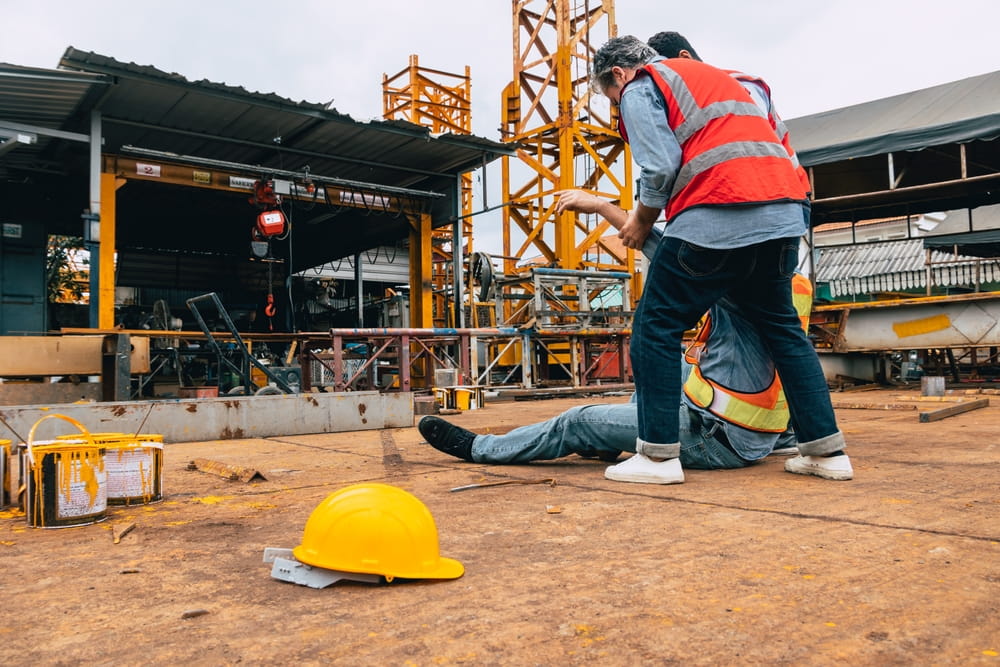
You may be able to hold an employer legally responsible for injuries caused by an employee if the accident occurred while the employee was acting within the course and scope of their employment. When the person at fault for your injuries was on the clock, your claim often becomes more complex than a standard personal injury case. Employe[...]